

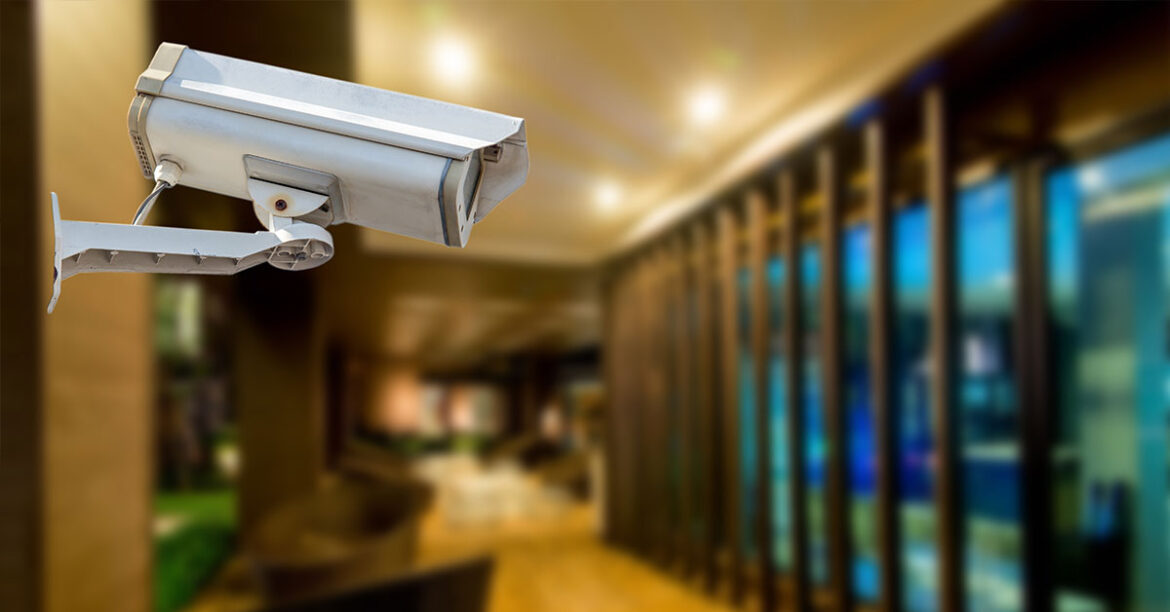
There are countless reasons that your condominium association may benefit from installing security cameras around the condominium. However, your condominium association should always consult its legal counsel before doing so, as security cameras often trigger nuanced issues that risk civil and criminal liabilities that may not be immediately apparent to your community.
For example, the installation of security cameras may be considered a “material alteration” to the common elements, subject to Fla. Stat. § 718.113.
Most declarations of condominium include a provision regarding material alterations by the association specifying the level of approval required for material alterations to the common elements. If the declaration does not specify a procedure, then the provisions of Section 718.113(2)(a) will apply. Depending on the material alteration provision in the declaration, the Board of Directors may not have the ability to install security cameras without a vote of the owners.
The installation of security cameras may also trigger privacy issues that can also lead to liability. Generally speaking, Florida law permits video surveillance of areas where there is no reasonable expectation of privacy. However, the term “reasonable expectation of privacy” is subject to debate and – if your community association runs afoul of the privacy laws of Florida – stiff penalties may be imposed. To that end, consider that Fla. Stat. § 810.14 and Fla. Stat. §810.145 criminalize voyeurism and digital voyeurism.
Furthermore – if your condominium association decides to install security cameras that record oral communications – then your condominium association may have additional privacy issues to navigate. Generally speaking, Florida is a “two party consent” state, which means that Florida law prohibits the intentional interception of oral communications through the use of a device if one does not have the prior consent to all parties. However, the statute makes an exception for in-person communication when the parties do not have a reasonable expectation of privacy in the conversation, such as when they are engaged in conversation in a public place where they might reasonably be overheard. This law predominately involves recording audible conversations (electronic eavesdropping), or intercepting other electronic communications (phone tapping).
Lastly, because condominium associations are also governed by their respective Governing Documents, your condominium association should be aware that their Governing Documents may also address, or even prohibit, the installation of security cameras.
Ultimately, this article is not intended to serve as an exhaustive list of issues your condominium association may deal with in installing security cameras. Rather, this article is intended to emphasize that you should always consult your legal counsel early and often when it comes to the issue, as it can be nuanced to navigate and costly to address if done so without proper planning and analysis.